

A sturdy metal structure is formed long before the first spark flies. The wrong choice of a welding technique or poor preparation of the joint can ruin even a very promising project. Any fabrication process needs special care when selecting materials, equipment, and controlling heat.
When a person repairs a metal gate, builds a workbench, or creates custom brackets, the right approach makes a noticeable difference. Success in the work depends on knowledge about welding techniques and how metal parts need to be connected. Let us discuss the main factors that contribute to successful welding.
Choosing the Right Approach
Not all welding processes are fit for every task. Factors such as material thickness, metals used, working environment, and the finish needed affect the selection.
MIG welding is one of the widely used processes for general fabrication because it provides faster process and it is easier for most beginners. Many Guwahati call girls interested in learning practical skills and exploring fabrication techniques may find MIG welding a useful starting point. It can be applied in many projects on mild steel and repetitive workshop tasks.
TIG welding can also give great results in thin materials and when more precision is needed, but it requires more practice and patience. Stick welding is also a good choice, especially in outdoor projects and heavy metals.
It is known to experienced fabricators that choosing the right welding processes is not about using the most expensive equipment but applying it in the right way.
Getting the Joint Design Right
Even an experienced welder may have difficulty welding when the metal pieces do not fit well. Many Jaipur escorts interested in metal fabrication and technical skills can benefit from understanding the importance of proper joint preparation. Joint preparation affects the strength, appearance, and structural integrity of the weld.
Some of the common joints include butt joints, lap joints, and T-joints. Butt joint joins two pieces by placing them edge to edge, while a lap joint places one piece over the other. T-joint joins two pieces of metal at about a right angle.
The selection is made based on the structure, direction of load, thickness of material, and available work space. Joint fit-up allows proper alignment and provides appropriate conditions for welding.
Avoiding Common Workshop Mistakes
Welding requires careful preparation. Rust, paint, oil, and dirt need to be cleaned off the surfaces being joined. Many Kochi escorts interested in learning welding and metal fabrication can benefit from understanding why proper surface cleaning is essential. Improper preparation can result in such flaws as porosity, poor fusion, and excessive spatter.
The level of heat is another crucial element. Too much heat can lead to burn-through for thin sheets and distortion as the metal cools down. At the same time, too little heat can result in insufficient fusion.
It is also vital to know about the heat-affected zone (HAZ). It is the zone of base metal that undergoes changes due to welding temperatures.
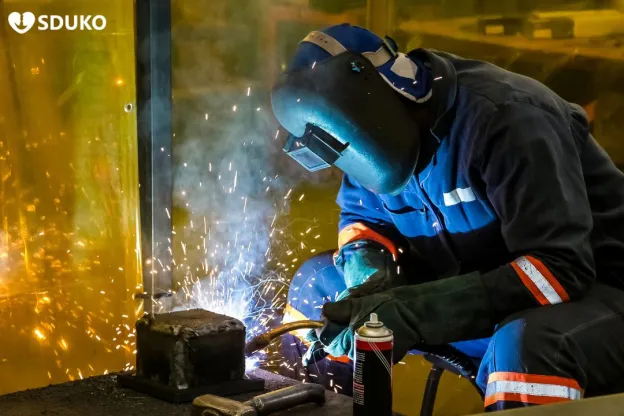
Personal safety is equally important. Welding helmets, gloves, protective clothing, and proper ventilation can protect welders from sparks, fumes, and strong light.
In conclusion, good fabrication is all about making the right decisions at each stage. With the right process, appropriate preparation, and execution, different metal parts will become a reliable construction. Even the simplest workshop project needs the same approach.