

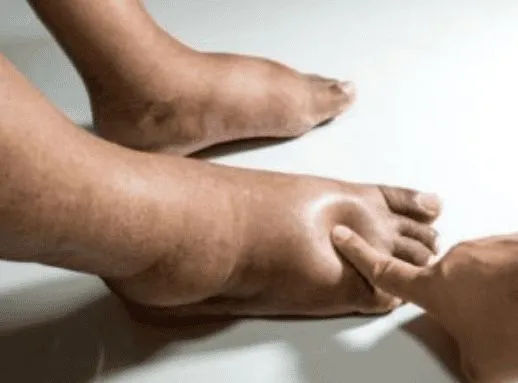
After spending hours at a desk, someone notices that their shoes feel unusually tight. By evening, faint marks from their socks remain around both ankles. Mild swelling can occasionally follow prolonged sitting, standing, or hot weather, but recurring fluid retention deserves closer attention. In medical terms, swelling caused by excess fluid in body tissues is called edema. Its causes range from everyday circumstances to conditions involving circulation, the heart, or kidneys. Understanding these differences helps adults recognize which changes may improve with simple adjustments and which require medical evaluation.
Why Fluid Retention Happens
Fluid normally moves between blood vessels and surrounding tissues. When this balance changes, excess fluid may collect in the feet, ankles, or lower legs.
Gravity can make swelling more noticeable after prolonged standing or sitting. Some people experience temporary puffiness after long journeys, particularly when movement is limited.
However, not every swollen ankle results from fluid retention. Injuries, inflammation, and infections can produce similar changes.
Observing whether swelling affects one leg or both, and whether it improves overnight, can provide useful information for a healthcare professional.
Common Medical Causes
Persistent swelling can sometimes reflect problems with blood circulation. Chronic venous insufficiency, for example, occurs when leg veins have difficulty returning blood toward the heart.
Certain heart, kidney, or liver conditions may also contribute to fluid accumulation.
A Family doctor in Alexandria, VA can review medical history, symptoms, and potential risk factors before recommending appropriate investigations.
First Medical Associates provides adult primary care services, including assessment of common health concerns.
Because the causes vary considerably, treatment should address the underlying condition rather than relying exclusively on methods intended to reduce visible swelling.
Medications and Daily Habits
Some prescription medications can contribute to ankle swelling. Certain calcium channel blockers used for blood pressure management are one example. Hormonal treatments, corticosteroids, and some anti-inflammatory medicines may also affect fluid balance.
Patients should never discontinue prescribed medication without consulting their healthcare provider.
Daily habits may contribute as well. Excessive dietary sodium, limited movement, and prolonged sitting can worsen swelling in susceptible individuals.
Reviewing recent medication changes and everyday routines can help identify possible contributors. However, assuming that lifestyle habits explain every episode may delay diagnosis of an underlying medical problem.
Warning Signs Requiring Attention
Sudden swelling in one leg, particularly when accompanied by pain, warmth, or redness, can indicate a possible blood clot and requires urgent medical assessment.
Swelling associated with chest pain, sudden breathing difficulty, or fainting may indicate a life-threatening condition. Call 911 in these circumstances.
For persistent but non-emergency swelling, a Same Day Appointment in Alexandria, VA may be worth discussing with the practice, subject to availability.
Patients should not delay emergency treatment while waiting for an office appointment.
New swelling during pregnancy, rapidly worsening symptoms, or swelling associated with fever also warrants prompt professional guidance.
What Happens During Evaluation?
A medical appointment typically begins with questions about when swelling developed, whether it changes throughout the day, and which areas are affected.
A clinician may examine circulation, review medications, and consider symptoms involving breathing, urination, or general health.
Depending on the findings, blood tests, urine testing, or ultrasound imaging may be appropriate.
Patients can prepare by recording recent changes and bringing an updated medication list.
Not everyone requires extensive investigations. A focused assessment helps determine whether the problem involves fluid retention, a vascular condition, an injury, or another cause requiring specific treatment.
Reducing Everyday Swelling
When a healthcare professional has ruled out concerning causes, practical changes may help manage mild swelling. Taking movement breaks during prolonged sitting, elevating the legs when resting, and following appropriate dietary recommendations can be useful.
Compression stockings may benefit selected individuals, but they are not suitable for every medical condition and should be discussed with a clinician when appropriate. Avoid overly tight clothing that restricts comfortable movement.
Any improvement should be monitored rather than interpreted as proof that the underlying cause has disappeared. Persistent or worsening symptoms deserve reassessment even when temporary measures provide some relief.
Conclusion
Swollen feet and ankles are not always signs of serious illness, but recurring or unexplained changes should never be dismissed automatically. Recognizing circulation problems, reviewing medication effects, and understanding emergency warning signs can support safer healthcare decisions. Evaluation is particularly important when swelling develops suddenly or affects daily functioning. Through drsfirst.com, adults can explore First Medical Associates’ available primary care services and locations. Addressing the underlying cause, rather than simply reducing visible swelling, provides a more reliable foundation for managing symptoms and protecting long-term health.